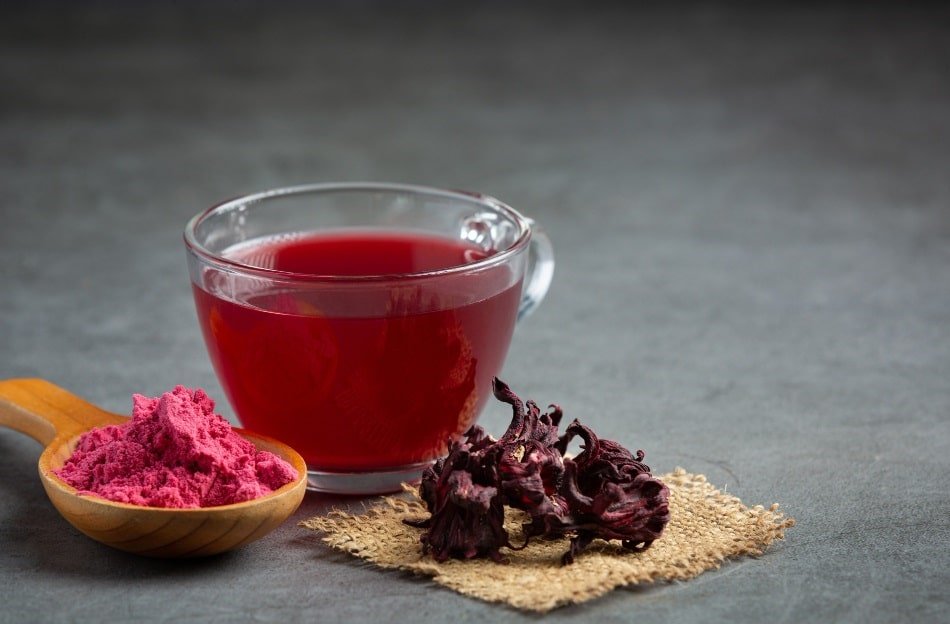
Hibiscus tea is a popular herbal drink, made by steeping dried hibiscus flower petals in hot water. It is characterized by its deep red color and distinctive sweet-sour flavor. Along with its refreshing taste, the hibiscus tea benefits have made it even more popular.
If you’ve ever wondered what is hibiscus tea good for or Is hibiscus tea good for you, you’re in the right place. This article will provide useful insights into hibiscus tea benefits and side effects, based on science and real experiences.
Hibiscus Tea Nutrition Facts
Nutrition Facts of Hibiscus Tea (per 8 fl oz serving, unsweetened)
| Hibiscus Tea Nutrient | Amount |
|---|---|
| Calories | 2.4 kcal |
| Total Fat | 0 g |
| Saturated Fat | 0 g |
| Trans Fat | 0 g |
| Cholesterol | 0 mg |
| Sodium | 2.4 mg |
| Total Carbohydrates | 0.5 g |
| Dietary Fiber | 0 g |
| Sugars | 0 g |
| Protein | 0 g |
| Vitamin D | 0 mcg |
| Calcium | 4.7 mg |
| Iron | 0.2 mg |
| Potassium | 21.3 mg |
Note: Hibiscus tea is naturally low in calories, fats, sugars, and protein. It also contains small amounts of essential minerals like calcium, iron, and potassium, making it a healthy and refreshing herbal beverage option.
Top Health Benefits of Hibiscus Tea
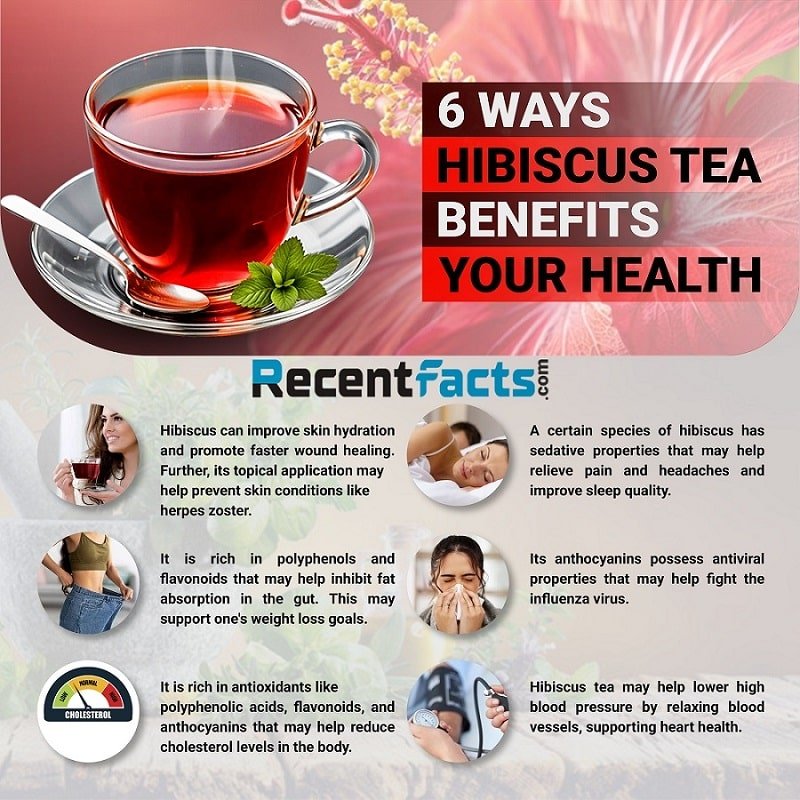
This dark red hibiscus tea is packed with antioxidants, vitamins, and minerals that help support heart health, weight, and blood sugar control. Drinking it regularly can boost your immune system, protect your liver, and help reduce inflammation. Now, let’s see what makes this tea so healthy.
1. Helps Lower and Manage Blood Pressure Naturally
One of the most well-known benefits of hibiscus tea is its ability to help reduce high blood pressure.
Hibiscus tea contains anthocyanins, powerful antioxidants that relax and widen blood vessels. When your blood flows more freely, the pressure inside your arteries naturally goes down.
Studies published in The Journal of Nutrition show that drinking hibiscus tea regularly can lower both systolic and diastolic blood pressure, especially in people with mild to moderate hypertension. Anthocyanins work somewhat like natural ACE inhibitors, which improve blood flow.
Drinking 1-2 cups daily may help support healthy blood pressure, but it should not replace your medication. Always consult your doctor first.
2. Supports Healthy Weight Management
Hibiscus tea may support weight control as part of a healthy lifestyle.
It can slightly reduce fat and carbohydrate absorption, helping prevent belly fat buildup. Some people also notice reduced appetite, which makes it easier to avoid overeating.
Research in Phytomedicine found that hibiscus extract reduced body weight, BMI, and fat in participants over 12 weeks. Lab studies suggest hibiscus inhibits digestive enzymes like amylase and lipase, which slow down fat and sugar absorption.
3. May Improve Cholesterol Levels
High cholesterol increases the risk of heart disease, but hibiscus tea may help improve cholesterol balance. Antioxidants in hibiscus tea can lower LDL (bad cholesterol) and increase HDL (good cholesterol) in some people. It helps keep the arteries clean and reduces the risk of heart disease.
Some clinical studies have found improved cholesterol profiles in hibiscus tea drinkers, though more research is needed to confirm the full effect.
4. Supports Liver Health
As the body’s natural detox center, your liver processes nutrients and filters out harmful substances. Hibiscus tea is rich in antioxidants that protect liver cells from damage and may help prevent fatty liver disease.
Animal studies show that hibiscus extract can reduce liver fat, inflammation, and oxidative stress, improving overall liver function.
Risk at high doses: Drinking normal amounts of hibiscus tea is safe, but very high doses of concentrated hibiscus extract (like supplements) may stress the liver.
5. Aids Digestion and Reduces Bloating
The polyphenols in hibiscus tea protect liver cells from damage and support proper liver function. Additionally, it helps maintain healthy digestion by promoting regular bowel movements and reducing bloating.
Studies in animals suggest that hibiscus extracts can protect liver cells from toxins and improve liver function.
6. Rich in Antioxidants for Cell Protection
One of the most well-known hibiscus tea benefits is its high antioxidant content, including anthocyanins, beta-carotene, and vitamin C. These antioxidants protect your body by neutralizing harmful molecules called free radicals. Free radicals can damage your cells and cause problems like aging faster and developing serious illnesses such as cancer, heart disease, and diabetes. A cup of hibiscus tea daily helps reduce oxidative stress and keeps your cells healthier.
7. Boosts Immunity Naturally
Hibiscus tea contains a small amount of vitamin C, which helps your immune system produce white blood cells to fight infections.
While it won’t cure a cold or flu, it’s a tasty way to support your body’s defenses.
8. Promotes Relaxation and Mental Calm
A warm cup of hibiscus tea can be soothing after a stressful day.
Some people find that it helps reduce mental fatigue and improves sleep quality, though research is limited. Its vibrant color and gentle tartness make it a comforting, relaxing beverage.
Also Read – Corn Coffee Benefits and Side Effects
Hibiscus Tea Side Effects and Risks
While hibiscus tea is generally safe, there are some possible side effects to consider:
- Low blood pressure: It may further reduce blood pressure, so monitor if you’re prone to hypotension.
- Medication interactions: Can affect diuretics, blood pressure meds, acetaminophen, and hormonal medications like birth control.
- Pregnancy and breastfeeding: Due to phytoestrogens, avoid drinking hibiscus tea unless cleared by a doctor.
- Excess consumption: Very high doses of hibiscus extract may stress the liver, though normal tea amounts are safe.
Tip: 1-2 cups daily is typically safe for most healthy adults.
How to Make Hibiscus Tea
Making hibiscus tea is very simple. Start by taking a few fresh or dried hibiscus petals. Place them in a cup of hot water and let them steep for about 5-10 minutes so the color and flavor can infuse into the water. After that, strain the tea into your cup. For extra flavor, you can add a little honey or a squeeze of lemon juice. You can also chill it and serve it over ice for a refreshing cold drink.
How to Enjoy Hibiscus Tea
- Hot tea: Steep dried hibiscus calyxes or tea bags in hot water for 5-10 minutes.
- Iced tea: Brew, chill, and serve with lemon slices and honey.
- Powder or extract: Use with caution as they are more concentrated than tea.
FAQ
Here are answers to some of the most common questions about hibiscus tea.
Can I drink hibiscus tea every day?
Yes, most people can safely drink 1-2 cups of hibiscus tea daily. It is naturally caffeine-free and low in calories. However, if you have low blood pressure, are pregnant, or are taking medications, consult your doctor first.
Is hibiscus tea good for weight loss?
Hibiscus tea may support weight management by improving fat metabolism and reducing fat absorption. While it can aid weight control, it works best alongside a healthy diet and exercise.
Can I drink hibiscus tea while pregnant?
Pregnant women should avoid drinking hibiscus tea unless advised by a healthcare professional, as its natural phytoestrogens might influence hormone levels.
What’s the best time to drink hibiscus tea?
You can drink hibiscus tea anytime since it’s caffeine-free. Morning or around meals is ideal for digestion and blood sugar support. Avoid late night if you have low blood pressure.
Conclusion
Hibiscus tea is more than just a tasty beverage — it’s a natural source of antioxidants and nutrients that may support heart health, blood sugar regulation, weight management, liver function, and more. While generally safe, it’s best to enjoy it in moderation and consult a healthcare professional if you have any health conditions or take medications.
Adding a cup or two of hibiscus tea to your daily routine can be a flavorful and natural way to boost your overall health and well-being.