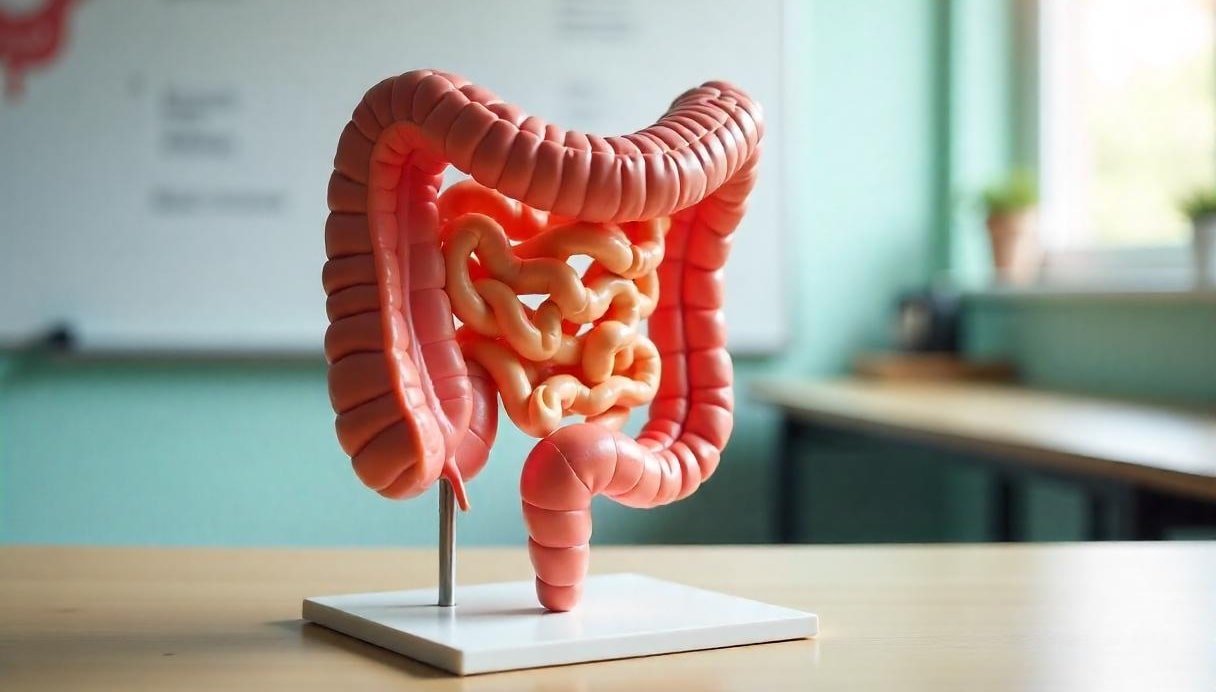
Diverticulitis is a digestive disease in which small pouches, or diverticula, form in the large intestine and become inflamed. People with this disease experience symptoms such as abdominal pain, fever, indigestion, constipation, or diarrhea. While mild diverticulitis can be managed with medication and dietary changes, there are certain foods that can worsen the condition. Therefore, it is important to know which foods to avoid with diverticulitis.
Foods that are commonly recommended to be avoided or limited in diverticulitis include:
Vegetables:
- Raw vegetables (especially those with skins and seeds)
- Grain vegetables (such as beans, peas)
- Onions
- Garlic
- Cabbage
- Cauliflower
- Broccoli
Fruits:
- Tomatoes (with seeds)
- Strawberries (with seeds)
- Grapefruit (inner part)
Other foods:
- Almonds
- Pumpkin seeds
- Sunflower seeds
- Corn
- Popcorn
- Red meat
- Processed meat
- Fried foods
- High-fat foods
- Dairy products (if lactose intolerant)
- Spicy foods
- Alcohol
- Caffeine
- High-fructose foods (such as sugary drinks, some fruit juices)
Remember the above list is a general guideline and may vary depending on individual tolerance. It may be helpful to consult a doctor and keep a food diary to find out which foods are causing problems for you.
Below is a detailed discussion of the 7 Foods to Avoid with Diverticulitis.
1. Fruits and Vegetables with Seeds (such as tomatoes, strawberries, kiwi)
It was once thought that foods with seeds, such as tomatoes, strawberries, or kiwi, could get stuck in the diverticular pouches and cause inflammation. Although recent studies have not proven this 100%, it is safe for those who have an acute condition or have had problems in the past to avoid these foods. Fruits with small seeds, in particular, can be difficult to digest and cause stomach discomfort.
2. Popcorn and Nuts
Many doctors still advise against popcorn and nuts. They are thought to get stuck in the pouches of the colon and cause inflammation. Although many studies have shown that there is no direct evidence of harm from them, it is not advisable to eat them during an acute diverticulitis attack. These are especially problematic for those who have weak digestive systems.
3. Fatty and fried foods
Fatty foods like fast food, fried foods, kebabs, and burgers can cause digestive issues and intestinal inflammation. These foods put pressure on the colon and increase the risk of diverticular inflammation. The National Institutes of Health (NIH) explains diverticulitis risks. Therefore, these foods are especially harmful for people with diverticulitis.
4. Red Meat (Beef and Mutton)
Consuming too much red meat can harm the health of the colon. Studies have shown that people who regularly eat red meat are at a higher risk of developing diverticular disease. This meat takes time to digest and stays in the intestines for a long time, causing pressure on the colon due to the lack of fiber. This can be even more dangerous for those who already suffer from this problem.
5. Processed Foods
Processed foods such as chips, canned foods, instant noodles, frozen foods, etc. are fiber-free and usually full of sodium and preservatives. These disrupt the normal functioning of the intestines and can cause discomfort in the colon. Diverticulitis is more likely to occur because these foods have the potential to long-term harm the colon’s structure and function.
6. Milk and Dairy Products
Although not everyone, many diverticulitis patients experience gas or bloating after consuming milk, cheese, and thick yogurt. The lactose in milk causes digestive problems for many. Especially for those who are lactose intolerant, these foods can complicate the symptoms of diverticulitis. Therefore, you should check your tolerance before eating such foods.
7. Excess Sugar and Sweet Foods
Desserts, cakes, chocolate, cold drinks – These foods contain high levels of sugar, which can disrupt the balance of intestinal bacteria. This causes bloating, gas, and digestive problems. These symptoms can increase in diverticulitis, so it is best to avoid sweet foods.
Read More – What Foods to Avoid When Taking Sertraline?
Caution: If you experience symptoms of diverticulitis (severe abdominal pain, fever, bleeding), be sure to consult a doctor. For long-term control, gradually add high-fiber foods to your diet.
What to eat during diverticulitis?
- Low-fiber diet (acute stage): White rice, fish, eggs, chicken soup.
- Probiotics: Yogurt (if not lactose intolerant).
- Enough water: To avoid becoming dehydrated, consume 8 to 10 glasses of water per day.
When to See a Doctor for Diverticulitis?
- Severe abdominal pain or fever
- Blood in the stool
- Vomiting or weight loss
Choosing the right food during diverticulitis is very important. Avoiding foods with seeds, spicy and fried foods, red meat, and caffeine can help you control diverticulitis symptoms. Also, keep your digestive system healthy by drinking enough water and taking probiotics. It is possible to stay away from complications of diverticulitis by following a healthy diet and doctor’s advice.