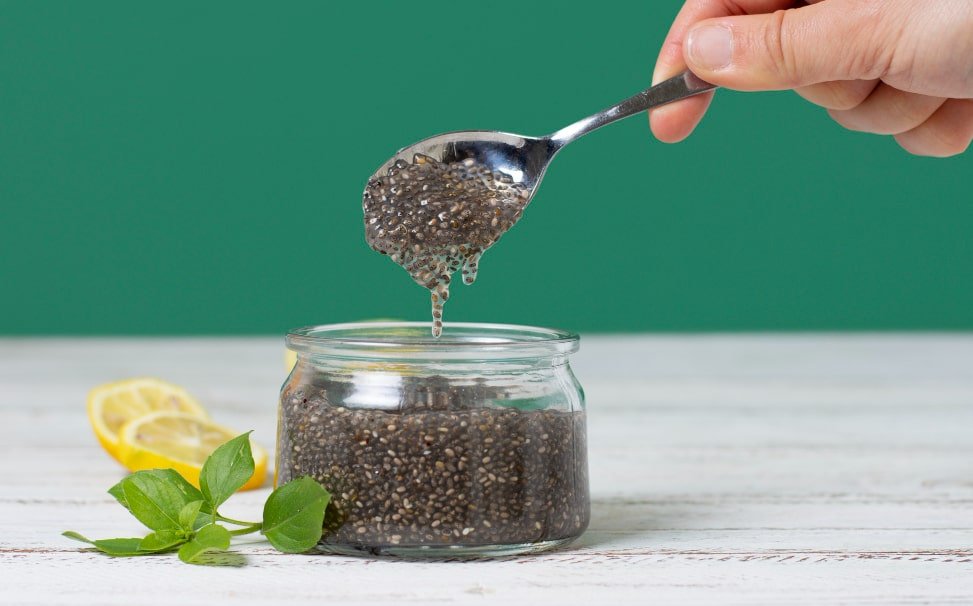
Chia seeds benefits have made these tiny seeds a global superfood. Originating from the Salvia hispanica L. plant, native to Central America, chia seeds were a staple in the diets of ancient Aztec and Mayan civilizations. They have been praised for their nutritional value and therapeutic properties for centuries.
Chia seeds are recognized as a superfood, packed with fiber, protein, omega-3 fatty acids, antioxidants, and essential minerals. These nutrients contribute to a variety of health benefits, ranging from improving digestion to enhancing brain function.
This article explore the top 10 health benefits of chia seeds, their nutrition facts, ways to include them in your diet, and potential side effects.
Chia Seeds Nutrition Facts
Before diving into the benefits, it’s important to understand what makes chia seeds so nutritious. Just 2 tablespoons (28 grams) of chia seeds contain:
- Calories: 138
- Protein: 4.7 g
- Fat: 8.7 g (including 5 g of omega-3 ALA)
- Carbohydrates: 11.9 g
- Fiber: 9.8 g
- Calcium: 14% DV
- Iron: 12% DV
- Magnesium: 23% DV
- Phosphorus: 20% DV
- Zinc: 12% DV
- Vitamin B1 (Thiamine): 15% DV
- Vitamin B3 (Niacin): 16% DV
Read – List of 300 Diseases Moringa Cures
These nutrients make chia seeds highly beneficial for overall health. Their combination of fiber, protein, antioxidants, and omega-3 fatty acids contributes to numerous health benefits.
Health Benefits of Chia Seeds
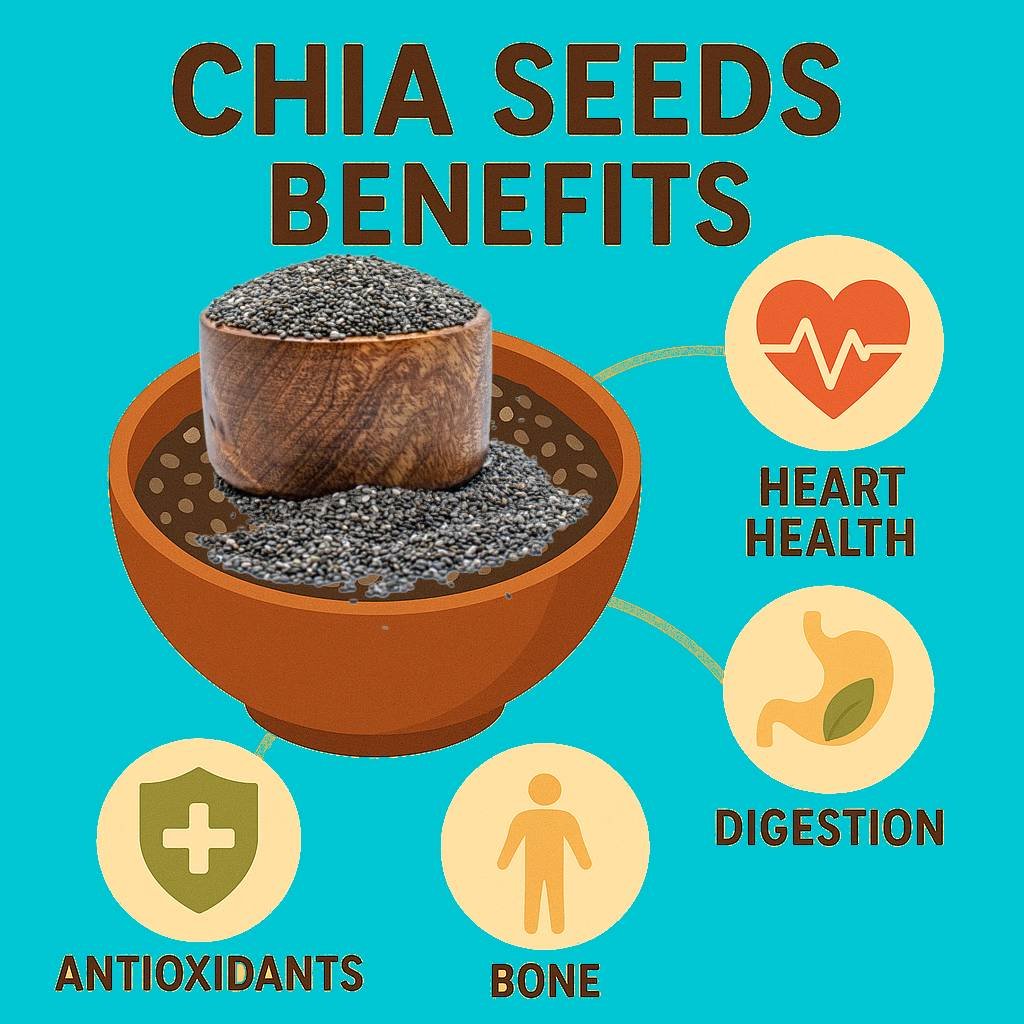
Chia seeds are highly valued for their exceptional nutritional profile. According to a study published in the American Journal of Clinical Nutrition, chia seeds are a good source of ALA (alpha-linolenic acid), a type of omega-3 fatty acid, which is highly effective in reducing the risk of heart disease. Furthermore, they are an excellent source of minerals like calcium and phosphorus, which help maintain good bone health.
1. Aids Digestion
One of the most important chia seeds benefits is improved digestion. Chia seeds are exceptionally high in fiber, with almost 10 grams per 28-gram serving. This fiber content plays a crucial role in promoting healthy digestion. Fiber adds bulk to the stool and supports regular bowel movements, reducing the risk of constipation and digestive discomfort.
Additionally, chia seeds contain soluble fiber, which forms a gel-like substance in the stomach. This slows digestion and helps the body absorb nutrients more effectively. Soluble fiber also nourishes beneficial gut bacteria, contributing to a healthy gut microbiome.
Tip: Soak chia seeds in water, milk, or juice for 20-30 minutes to create a gel-like consistency, which can further improve digestion and nutrient absorption.
2. Supports Weight Loss
Chia seeds are a popular addition to weight management diets due to their high fiber and protein content. Because fiber makes you feel full, you can eat fewer calories overall. Protein, on the other hand, aids in satiety and supports muscle maintenance during weight loss.

Several studies suggest that incorporating chia seeds into meals can reduce appetite and food intake. For example, consuming chia seeds with yogurt or oatmeal can help control hunger between meals. However, it’s important to note that chia seeds alone are not a magic weight loss solution – they work best as part of a balanced, calorie-controlled diet.
Tip: Add 1-2 tablespoons of chia seeds to your breakfast or smoothie to enhance fullness and support weight management.
3. Good for Heart Health
Chia seeds are heart-friendly due to their rich content of omega-3 fatty acids (ALA) and soluble fiber. Omega-3s are essential fats that reduce inflammation and support healthy cholesterol levels. Soluble fiber helps lower LDL (bad cholesterol) and total cholesterol, which can reduce the risk of cardiovascular diseases.

Some studies have also indicated that chia seed supplements may help lower blood pressure in individuals with hypertension, a major risk factor for heart disease. While more human research is needed, consuming chia seeds regularly may contribute to a healthier heart.
Tip: Include chia seeds in your diet by sprinkling them on salads, yogurt, or oatmeal for heart-protective benefits.
4. Strengthens Bones and Teeth
Chia seeds are rich in several bone-supporting nutrients, including calcium, phosphorus, magnesium, and omega-3 fatty acids. Calcium and phosphorus are critical for maintaining strong bones and teeth, while magnesium plays a role in bone mineralization. Omega-3s may also help maintain bone density.
Animal studies suggest that regular consumption of chia seeds can improve bone mineral content, potentially preventing osteoporosis and fractures. Though human studies are limited, adding chia seeds to your diet can be a simple way to support long-term bone health.
Tip: Sprinkle chia seeds over cereal, smoothies, or baked goods to support bone health while enjoying chia seed benefits.
5. Regulates Blood Sugar
Maintaining healthy blood sugar levels is essential for overall health, especially for individuals with diabetes or prediabetes. The soluble fiber in chia seeds slows the absorption of sugar in the bloodstream, preventing sharp spikes in blood glucose levels.
Some research also suggests that chia seeds may improve insulin sensitivity, further helping to regulate blood sugar. While more human studies are needed, including chia seeds in your meals can be beneficial for blood sugar management.
Tip: Mix chia seeds into whole-grain bread, smoothies, or oatmeal to enjoy blood sugar-regulating benefits.
6. Improves Skin and Hair
The antioxidants, omega-3 fatty acids, and protein in chia seeds can contribute to healthier skin and hair. Antioxidants combat free radicals that cause premature aging, while omega-3s help maintain skin hydration and elasticity. Protein provides essential amino acids needed for hair growth and repair.
Regular consumption of chia seeds may help reduce inflammation in the skin, prevent dryness, and promote a radiant complexion. Similarly, the nutrients support stronger, shinier hair.
Tip: Combine chia seeds with yogurt or smoothies to nourish your skin and hair from within.
7. Boosts Energy
Chia seeds are a great natural source of energy. Their balance of protein, healthy fats, and complex carbohydrates provides sustained energy throughout the day. Athletes often use chia seeds to enhance endurance and performance during workouts.
The slow-digesting carbohydrates in chia seeds release energy gradually, preventing sudden spikes and crashes in blood sugar. This makes them an ideal pre-workout snack or addition to breakfast.
Tip: Make chia pudding with fruits and nuts as a long-lasting energy booster.
8. Enhances Brain Function
Omega-3 fatty acids in chia seeds are vital for brain health. These essential fats support cognitive functions, including memory, focus, and mood regulation. Antioxidants in chia seeds further protect brain cells from oxidative stress, potentially reducing the risk of neurodegenerative diseases.
Some studies suggest that regular consumption of omega-3 rich foods like chia seeds can enhance mental clarity and overall cognitive performance.
Tip: Add chia seeds to your morning smoothie to kickstart your brain function for the day.
9. Strengthens Immunity
Chia seeds contain several minerals, including zinc, magnesium, and iron, which are crucial for maintaining a healthy immune system. Antioxidants also protect immune cells from damage caused by free radicals.
Regular intake of chia seeds may help the body fight infections, reduce inflammation, and promote overall immunity. While they are not a substitute for medical care, they can be a valuable part of a nutrient-rich diet.
Tip: Sprinkle chia seeds on salads or mix them into soups to support your immune system naturally.
10. Controls Blood Pressure
Chia seeds help maintain a healthy weight by promoting satiety and reducing calorie intake. Their fiber and protein content work together to prevent overeating. Additionally, omega-3 fatty acids and antioxidants in chia seeds support cardiovascular health by helping regulate blood pressure.
Some research indicates that chia seed supplementation can reduce systolic and diastolic blood pressure in people with hypertension. Incorporating them into a balanced diet may help maintain both a healthy weight and optimal blood pressure levels.
Tip: Include chia seeds in daily meals, such as oatmeal, smoothies, or baked goods, to support overall cardiovascular and metabolic health.
Chia Seeds Benefits for Men
Chia seeds are equally beneficial for men’s health, not just for women. The omega-3 fatty acids they contain help reduce the risk of heart disease and improve brain function, which is a common problem in men. In addition, protein and magnesium help build muscle and increase strength, which is essential for daily tasks and physical activity. The fiber in chia seeds keeps the digestive process going and helps control blood sugar levels, which reduces the risk of diabetes.
Chia Seeds Benefits for Females
Chia seeds are especially beneficial for females/women’s health. The calcium, phosphorus, and magnesium they contain maintain good bone health and help prevent osteoporosis (bone loss) after menopause. Being rich in iron, it helps in eliminating anemia, which is seen in many women. Chia seeds can be a great source of nutrition during pregnancy and breastfeeding, as they provide essential nutrients for the mother and baby.
Related Article – Avocado: Nutrition Facts and Health Benefits
Side Effects of Chia Seeds
Chia seeds are generally safe for most people, but some side effects may occur under certain circumstances or when consumed in excessive amounts.
- Digestive Issues: Eating too many chia seeds can cause bloating, gas, or diarrhea due to their high fiber content.
- Allergic Reactions: Although rare, some individuals may experience an allergic reaction, including skin rashes or itching.
- Blood Thinning: High omega-3 content can have a mild blood-thinning effect, so people on anticoagulant medications should consult a doctor before regular consumption.
Safe Amount of Chia Seeds Consumption
For most adults, consuming about 1.5 to 2 tablespoons (20-28 grams) of chia seeds per day is considered safe and healthy. If you are introducing chia seeds into your diet for the first time, it is recommended to start with 1 teaspoon and gradually increase the amount to allow your digestive system to adjust.
How to Eat Chia Seeds
There are several easy ways to consume chia seeds. They can be soaked or mixed with other liquids.
- Chia pudding: Mix 1/4 cup chia seeds with 1 cup milk or water and refrigerate until gel-like. Serve with fruit, nuts or honey.
- Smoothies and juices: Mix 1-2 tablespoons of chia seeds with your favorite smoothie or fruit juice.
- Baking: Use as an egg substitute or sprinkle on bread, muffins, or pancakes.
- Toppings: Add to yogurt, oatmeal, cereals, or salads.
- Beverages: Mix with water, juice, or herbal tea for a refreshing drink.
Drink plenty of water when eating chia seeds and start with small amounts at first to avoid digestive problems.
FAQ
How much chia seeds should you eat a day?
You can eat 1 to 2 tablespoons of chia seeds a day. This is about 20-28 grams. However, you should start with 1 tablespoon the first time you eat it. It is important to drink plenty of water. This amount is safe and healthy for most adults.
Is it okay if I eat chia seeds every day?
Yes, eating chia seeds daily in moderation is safe and beneficial. Generally, it is recommended to consume 1.5 to 2 tablespoons (about 20-28 grams) of chia seeds daily.
Do chia seeds help you lose weight?
Yes, chia seeds can help you lose weight. The high fiber and protein content in them keeps you full for a longer period of time, which reduces the tendency to overeat.
Are chia seeds safe for heart patients?
Generally, yes. The omega-3 fatty acids in chia seeds help maintain good heart health. However, those taking blood-thinning medications should consult their doctor, as chia seeds can thin the blood.
Conclusion
Chia seeds are truly a superfood packed with fiber, omega-3 fatty acids, protein, and essential minerals. Regular consumption can improve heart health, strengthen bones, support digestion, and even help in weight management. Many women also search for chia seeds benefits for females, as they may support hormonal balance, skin glow, and overall energy levels.
However, despite the many chia seeds benefits, consuming them in excess may lead to some side effects like bloating or stomach discomfort. That’s why it’s important to eat chia seeds in moderation and always drink enough water with them.
If you are dealing with any medical condition or taking regular medication, it’s best to consult a healthcare professional before adding chia seeds to your diet.