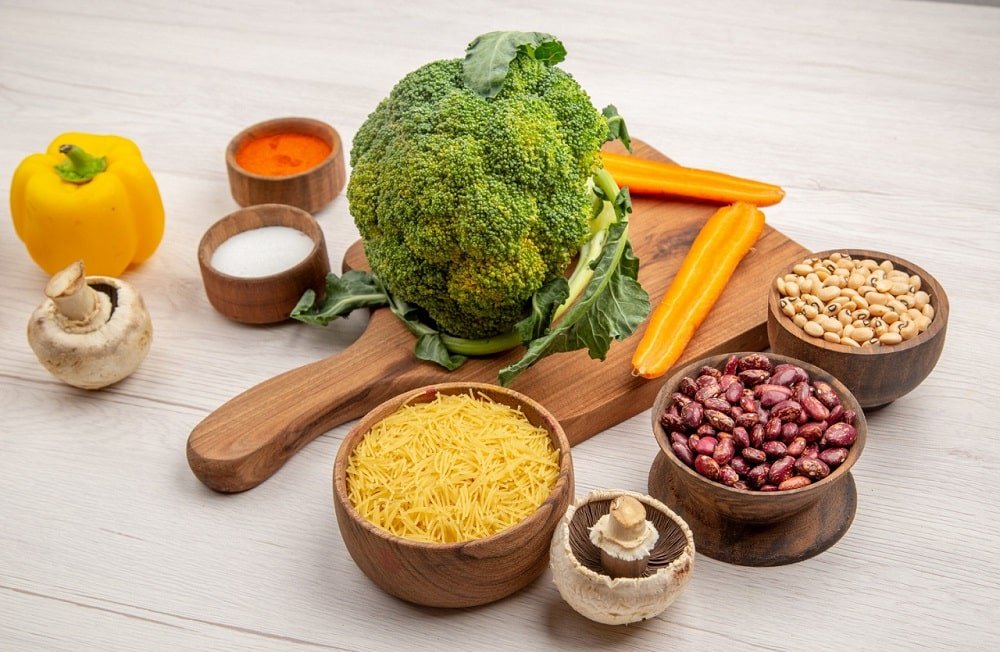
If you’ve ever suffered from constipation, you know how uncomfortable and frustrating it can be. One of the simplest and most natural ways to relieve constipation is by eating the right foods – especially high fiber foods for constipation. Fiber improves the digestion process, softens stool, and aids in regular bowel movements.
About 16 out of every 100 adults in the United States suffer from constipation on a regular basis. This is a type of digestive problem in which bowel movements are difficult or hard. Below are common symptoms of constipation:
- Fewer than three bowel movements per week
- Excessive straining during bowel movements
- Hard, lumpy, or dry stools
- A feeling of being stuck in the stomach or rectum
- A feeling of incomplete evacuation
If this problem becomes chronic, it is essential to include high fiber foods in your diet.
In this article, we’ll explore the top foods that help with constipation, and provide you with a helpful high fiber foods chart for constipation relief.
How Fiber Helps with Constipation
Fiber is a type of carbohydrate that your body can’t fully digest. Instead of breaking down completely, it passes through your digestive tract and does some amazing things along the way – like bulking up your stool and making it easier to pass.
There are two main types of dietary fiber:
- Soluble Fiber: Forms a gel-like consistency when dissolved in water. It helps soften stool and can also lower cholesterol and blood sugar levels.
- Insoluble Fiber: This kind of fiber makes your stool bulkier and speeds up its passage through your digestive system.
For the best results, aim to include a balance of both types of fiber in your diet.
Best High Fiber Foods for Constipation Relief
Here’s a categorized breakdown of the top foods that help with constipation, backed by research and dietary guidelines:
High Fiber Fruits That Relieve Constipation
Fruits are naturally rich in fiber and water, both of which help ease bowel movements.
Also Read – 50+ Fruits Name in English with pictures
| Fruits | Fiber Content (per 100g) | Benefits |
|---|---|---|
| Prunes | 7g | Natural laxative effect due to sorbitol |
| Apples (with skin) | 4.8g | Contains pectin, which improves stool frequency |
| Pears | 5.5g | Contains sorbitol and fructose |
| Kiwis | 2.3g | Promotes gut motility and regularity |
| Figs (dried) | 7.3g | Helps with bloating and stool consistency |
| Oranges | 3.7g | Rich in pectin and vitamin C |
| Bananas (slightly green) | 2.6g | Contains resistant starch |
| Berries (all types) | 5–8g | High in antioxidants and fiber |
| Avocados | 6.7g | Healthy fats + fiber for smoother digestion |
High Fiber Vegetables
Green vegetables are good for your health because they are low in calories and high in fiber, vitamins, and other nutrients.
| Vegetable | Fiber Content (per 100g) | Benefits |
|---|---|---|
| Spinach (cooked) | 1.6g | Easy to digest and versatile |
| Broccoli | 2.4g | Rich in fiber and antioxidants |
| Brussels sprouts | 3.5g | Helps with regularity |
| Artichokes | 6.9g | Prebiotic effects that improve gut bacteria |
| Sweet potatoes | 3.6g | Contains both soluble and insoluble fiber |
| Rhubarb | 2.2g | Contains sennoside A, helps retain water in stool |
| Cabbage | 2.5g | Boosts digestion and gut health |
| Beets | 2.8g | Rich in essential nutrients |
| Pumpkin | 1.1g | Soft texture is gentle on the digestive tract |
High Fiber Seeds, Beans & Legumes
Legumes and seeds are power-packed high fiber foods for constipation relief, helping add bulk and consistency to stool.
| Seeds/Beans/Legumes | Fiber | Benefits |
|---|---|---|
| Navy beans | 19.1g per 100g | Extremely high in fiber |
| Lentils | 7.8g per 100g | Easy to cook and filling |
| Chickpeas | 7.6g per 100g | Great for gut health |
| Black beans | 8.7g per 100g | Rich in fiber and protein |
| Chia seeds | 9.8g per 28g | Forms a gel that helps stool pass easily |
| Flaxseeds | 2.5g per tbsp | Reduces inflammation, improves bowel habits |
| Soybeans | 6g per 100g | Fiber + protein combo |
High Fiber Whole Grains
Whole grain products should be consumed instead of refined white flour. Whole grains keep all parts of the grain intact, including the bran and germ, which are much more beneficial for digestion.
| Grain Product | Fiber Content | Benefits |
|---|---|---|
| Oat bran (raw) | 4.8g per 31g | More fiber than quick oats |
| Whole wheat bread | 2g per slice | Better than white bread |
| Brown rice | 1.8g per 100g | Complex carbs and fiber |
| Rye bread | 3.7g per 64g | Promotes softer and bulkier stools |
| Quinoa | 2.8g per 100g | Protein + fiber combo |
| Barley | 3.8g per 100g | Helps lower cholesterol and improve digestion |
| Whole wheat pasta | 3.9g per 100g | Easy to swap in for regular pasta |
High Fiber Psyllium Husk: Nature’s Laxative
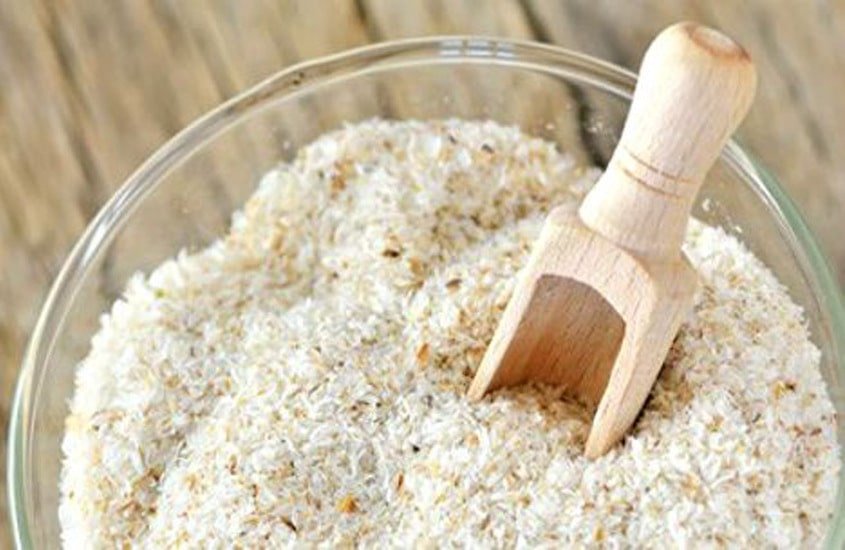
One of the most trusted fiber supplements for constipation is Psyllium Husk. It is a type of soluble fiber derived from the seeds of the Plantago ovata plant. 70 to 80 grams of fiber per 100 grams, making it one of the richest sources of fiber available. When mixed with water or milk, it forms a gel-like substance that helps move stool through the digestive tract smoothly.
High Fiber Foods Chart for Constipation Relief
| Category | Food Example | Approx. Fiber/Serving |
|---|---|---|
| Fruit | Prunes, Pears, Apples | 4-7g |
| Vegetables | Spinach, Artichoke | 2-6g |
| Legumes & Seeds | Lentils, Chia, Beans | 7-19g |
| Whole Grains | Oats, Quinoa, Barley | 3-5g |
| Fermented Dairy | Kefir | Contains probiotics |
Foods to Avoid During Constipation
To make the most of your high-fiber efforts, avoid foods that can slow digestion or harden stool. These include processed snacks like chips and cookies, fried foods, and excessive amounts of red meat. Also limit:
- White bread and white rice
- Full-fat dairy (non-fermented)
- Foods high in saturated or trans fats
- Alcohol (which dehydrates the body)
These foods can undo the benefits of your fiber-rich diet and make constipation worse.
Natural Tips to Relieve Constipation
- Drink Enough Water: Along with eating fiber-rich foods, staying hydrated is essential. Water helps fiber do its job by softening the stool and making it easier to pass. Aim to drink at least 8–10 glasses of water daily.
- Increase Fiber Gradually: Suddenly consuming a large amount of fiber may lead to bloating or abdominal discomfort. It’s best to slowly increase your fiber intake to allow your digestive system to adjust.
- Exercise Regularly: Physical activity improves digestion and stimulates bowel movements. A daily walk or light exercise can significantly reduce constipation.
- Avoid Processed Foods: Processed foods, fast foods, and sugary drinks may contribute to constipation. Choose whole, natural foods instead for better digestive health.
Frequently Asked Questions (FAQs)
What are the best high fiber foods for constipation relief?
Psyllium husk is highly effective in relieving constipation due to its rich soluble fiber content. In addition, high-fiber foods such as apples, pears, berries, and dried plums; vegetables like broccoli, spinach, and carrots; whole grains like oats, brown rice, and whole wheat bread; pulses such as lentils and chickpeas; and seeds like chia and flaxseeds also support healthy bowel movements. Drinking adequate water is essential to help fiber work effectively and prevent further digestive discomfort.
Can too much fiber cause problems?
Yes. Increasing fiber too quickly can lead to gas, bloating, or cramps. It’s best to introduce fiber gradually and drink plenty of water to help it move through the digestive tract smoothly.
Do fiber supplements work as well as natural foods?
Fiber supplements like psyllium husk can help, but whole foods are preferred because they offer additional nutrients, antioxidants, and enzymes that support overall gut health.
How much fiber should I eat daily to avoid constipation?
Men should aim for 30-38 grams of fiber per day, and women should get 21-25 grams, depending on age. Most people consume much less than the recommended amount.
Related – Dandelion Root Benefits, Nutrition, and Side Effects
Final Thoughts
Adding more high fiber foods for constipation relief to your diet isn’t just a temporary relief! It’s a long-term strategy for better gut health and overall wellness. Whether you’re adding a handful of berries to your breakfast or replacing white rice with quinoa, small changes can have big results. Just remember to pair your fiber intake with plenty of water and stay active to keep everything moving smoothly.
If your symptoms persist despite dietary changes, consult a healthcare provider for a personalized solution.