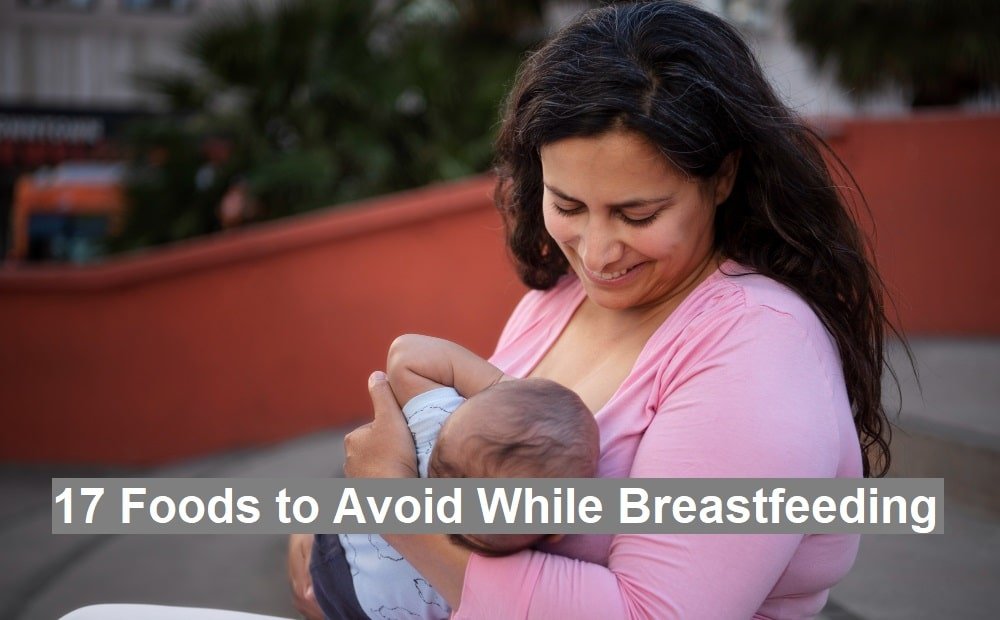
Breast milk is the most perfect and natural gift for a baby. During this time, the mother’s diet is very important not only for her own health, but also for the development and intellectual formation of the baby. The World Health Organization (WHO) and pediatricians believe that the nutrients and chemical properties of what the mother eats reach the baby’s body to a large extent. Therefore, it is necessary to avoid certain foods that can reduce the quality of milk or cause discomfort to the baby.
17 Foods to Avoid While Breastfeeding
Let’s find out which foods to avoid while breastfeeding, along with the scientific reasons behind these recommendations from experts
1. Caffeinated drinks (tea, coffee, cola)
The caffeine in tea, coffee and cola can enter the breast milk and stimulate the baby. This can cause sleep disturbances and make the baby irritable. Excess caffeine can increase the baby’s heart rate. Therefore, breastfeeding mothers should not consume more than one cup of caffeinated drinks a day, or avoid them altogether if possible.
Alternative recommendation: Decaf coffee or herbal tea.
2. Alcohol
Alcohol is quickly absorbed into the mother’s bloodstream and enters the baby’s body through breast milk. According to the CDC, it can interfere with the development of the baby’s nervous system and change sleep patterns. Alcohol can be harmful to the baby, even in small amounts. It should not be consumed at least 2-3 hours before breastfeeding.
Alternative recommendation: Alcohol-free drinks.
3. Smoking
In addition to being harmful to the mother’s health, smoking can also pass toxic substances to the baby’s body through breast milk. Nicotine can increase the baby’s heart rate, cause nausea, and disrupt sleep. Breastfeeding mothers should definitely avoid smoking.
4. Fish High in Mercury Fish
High levels of mercury are found in certain fish, including sharks, swordfish, king mackerel, and tilefish. Mercury can have a detrimental effect on the development of the baby’s nervous system. Therefore, breastfeeding mothers should avoid eating such fish. However, low-mercury fish like salmon, tuna (in limited quantities), and shrimp can be eaten.
Alternative recommendation: River fish instead of sea fish.
5. Overly spicy foods
Certain spices like chili peppers, garlic, and onions may pass into breast milk and lead to stomach discomfort for the baby. This can result in problems like flatulence, gas, and constipation in the baby. Therefore, highly spicy foods are not recommended during breastfeeding.
Alternative recommendation: Choose mildly spicy foods.
6. Foods with artificial sweeteners
Artificial sweeteners, such as saccharin, aspartame, etc. can enter the breast milk and cause adverse reactions in the baby. In some babies, it can also cause allergies. Therefore, it is wise to avoid such foods.
Alternative recommendation: Natural sweeteners such as dates, honey (for mothers only).
7. Processed foods
Processed foods usually contain high levels of salt, sugar and artificial ingredients, which are unhealthy for both the mother and the baby. These foods can also reduce the breast milk quality. Therefore, Highly spicy foods are not recommended during breastfeeding.
Alternative recommendation: Healthy homemade foods.
8. Cow’s milk and dairy products
Some babies may have a sensitivity to the protein in cow’s milk. If cow’s milk protein enters the breast milk, the baby may experience stomach pain, diarrhea or skin rash. If such symptoms are observed in the baby, the mother should temporarily stop consuming dairy products.
Alternative recommendation: Lactose-free dairy products.
9. Egg white
Although eggs are a very nutritious food, some babies may be allergic to egg proteins. If the baby shows signs of allergy after eating eggs, it should be avoided.
Better Alternative: Eat well-boiled eggs.
10. Almonds
Although almonds are a healthy food, some babies may be severely allergic to nuts. Eating nuts by the mother can cause breathing problems, skin rashes, or vomiting in the baby. Therefore, if anyone in the family is allergic to nuts, a breastfeeding mother should not eat nuts.
Alternative recommendation: You can eat nuts in moderation if there is no allergy.
11. Soybeans
Some components in soybeans can cause gas or discomfort in the stomach of some babies. Therefore, soybeans and soy products should be consumed in limited quantities during breastfeeding.
12. Wheat:
The gluten in wheat can cause problems for some babies. If the baby experiences discomfort or diarrhea after eating wheat products by the mother, it should be avoided.
13. Citrus fruits (lemon, orange):
The acid in citrus fruits can irritate the stomach of some babies and increase the tendency to vomit. Therefore, these fruits should be eaten in moderation.
14. Chocolate:
Chocolate contains two ingredients called caffeine and theobromine, which can disrupt the baby’s sleep and make him irritable. Therefore, breastfeeding mothers should limit their chocolate intake.
15. Cabbage, cauliflower, broccoli:
These vegetables contain some compounds that can create gas in the mother’s stomach and can also pass to the baby’s stomach through breast milk. This can cause flatulence and discomfort in the baby. Therefore, these vegetables should be eaten in moderation.
Alternative recommendation: Boil lightly before cooking.
16. Onion:
Raw onion or foods with excess onion can change the taste of breast milk, which may make some babies reluctant to drink breast milk.
Alternative recommendation: Use in small quantities.
17. Strong garlic Flavors:
The strong smell of garlic can reach the baby through breast milk and some babies may be sensitive to it. This may make the baby reluctant to breastfeed.
Alternative recommendation: Use in small amounts.
What fruits should I avoid while breastfeeding?
| Fruits to Avoid While Breastfeeding | Reason |
|---|---|
| Grapes 🍇 | Can cause gas, may lead to discomfort in the baby |
| Raw Mango 🥭 | Acidic in nature, may cause rashes or stomach upset in the baby |
| Pineapple 🍍 | High in acid, may trigger allergies or diaper rash |
| Strawberry 🍓 | Can be allergenic, especially for sensitive babies |
| Kiwi 🥝 | Potential allergen for sensitive infants |
| Overripe Banana 🍌 | May cause gas and digestive issues in both mother and baby |
Healthy Habits & Tips for Breastfeeding Moms
- Eating a balanced and nutritious diet.
- Drink enough water.
- Eat small, frequent meals throughout the day.
- Eat more homemade food.
Related – How to Cure Insomnia in 12 Minutes?
Frequently Asked Questions
Can I drink energy drinks while breastfeeding
It’s best to avoid energy drinks while breastfeeding. They contain caffeine and other stimulants that can pass to the baby through breast milk. They can cause sleep problems, anxiety, or digestive upset in the baby. It is better to drink water, fruit juice, or milk as a healthier alternative.
Can i drink coke while breastfeeding?
While you can drink a small amount of Coke while breastfeeding, it is important to follow the rules. Coke contains caffeine and sugar, which can affect your baby’s sleep and health if consumed in excess. It is best not to drink more than one glass a day. The risk is reduced by taking some time off after drinking and breastfeeding.
Is chocolate bad for breastfeeding?
Chocolate is generally not harmful to eat while breastfeeding, but you should not eat too much. Chocolate contains caffeine and theobromine, which can cause sleep problems in babies. Eating chocolate in moderation or in small amounts is unlikely to cause any major harm. However, if your baby has allergies or sensitivities, you should be careful before eating chocolate.
Can I eat cucumber while breastfeeding?
Yes, it is completely safe to eat cucumbers while breastfeeding. Cucumbers contain a lot of water, vitamins, and minerals, which help maintain the mother’s hydration and are also beneficial in increasing the amount of milk. Eating cucumbers is also light and easy to digest for the mother’s stomach, so it is generally safe.
Conclusion
When breastfeeding, small changes to your diet can make a big difference to your baby’s health and comfort.
Stay calm, be patient, and focus on awareness – you’re doing great
Remember, a healthy mom means a healthy baby. Keep learning, observing, and celebrating the beautiful journey of motherhood.