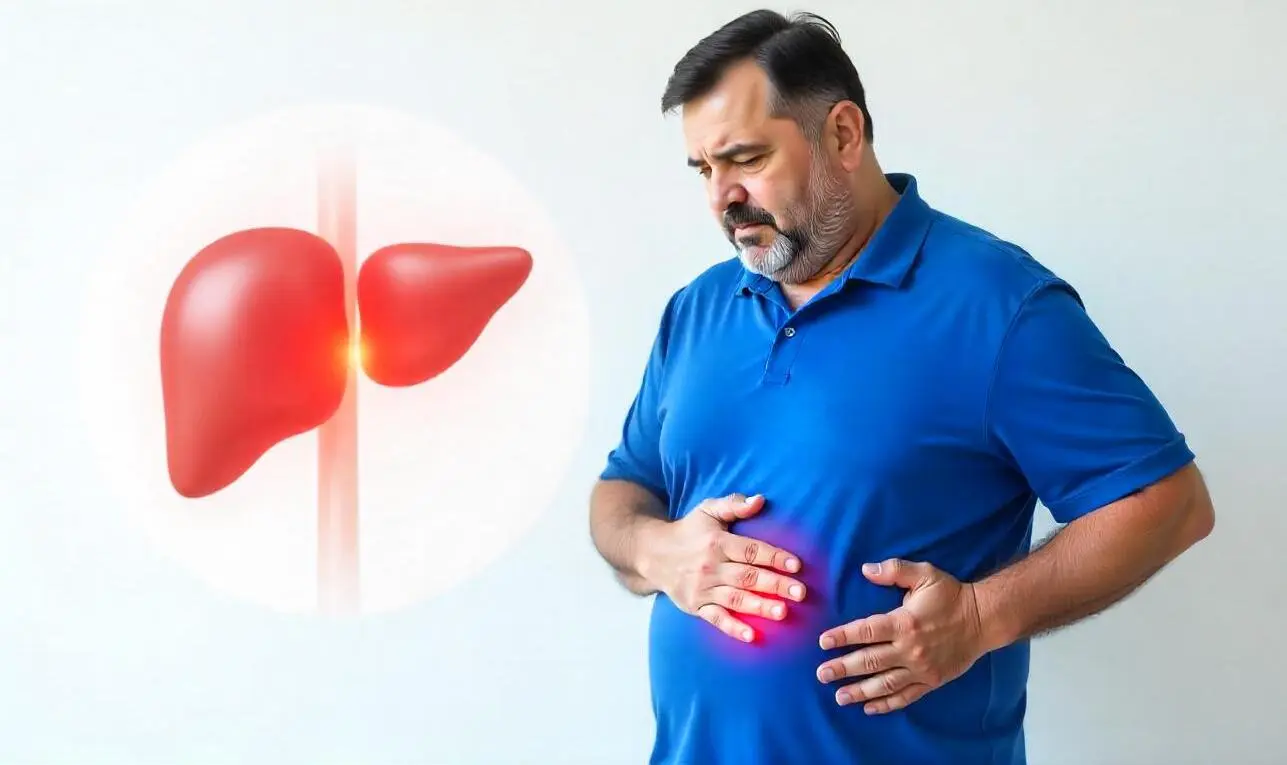
Have you ever felt a sharp or stabbing pain in your upper abdomen after eating greasy or heavy meals? If so, this may be a sign that your gallbladder isn’t functioning properly. This small, pear-shaped organ stores bile—an essential fluid that helps digest fats. When you consume too many fatty, sugary, or processed foods, your gallbladder can become inflamed or develop gallstones, leading to painful complications.
Let’s explore the top 15 foods to avoid with gallbladder issues, and discover healthier alternatives to choose instead.
Why Diet Matters for Gallbladder Health
Your gallbladder works closely with your liver to store and release bile, a digestive fluid that helps break down dietary fats.
However, a diet high in saturated fats, refined sugars, and processed or fast foods can thicken bile, slow down digestion, and increase the risk of developing gallstones or inflammation of the gallbladder (cholecystitis).
On the other hand, a diet rich in fiber, lean proteins, and healthy fats promotes smooth bile flow and reduces stress on the gallbladder—supporting better digestive health overall.
15 Foods to Avoid with Gallbladder Issues and Their Healthier Options
These are the top 15 foods to avoid with gallbladder problems, as they may worsen symptoms. Safer, healthier alternatives are also provided.
1. Fried Foods
Why Avoid: Deep-fried foods are high in trans fats and hydrogenated oils, which increase inflammation and slow down bile movement. They can also trigger gallbladder attacks in sensitive individuals.
Examples: French fries, fried chicken, fried snacks (e.g., pakoras, samosas)
Healthier Option: Try air-fried, baked, or grilled foods using olive or avocado oil.
2. Processed Meats
Why Avoid: These meats are high in saturated fats, preservatives, and nitrates. They may raise cholesterol levels and contribute to thicker bile, increasing the risk of gallstone formation.
Examples: Sausages, hot dogs, salami, bacon, deli meats
Healthier Option: Go for lean proteins like skinless chicken, turkey breast, tofu, lentils, or tempeh.
3. Full-Fat Dairy Products
Why Avoid: They contain a high amount of saturated fat which can make bile more viscous and increase stone formation.
Examples: Whole milk, butter, cream, cheese, ghee
Healthier Option: Switch to low-fat or fat-free versions, or try plant-based milk such as almond, oat, soy, or coconut milk. Probiotic-rich yogurt is also a good option.
4. Red Meat
Why Avoid: Rich in saturated fats, which can lead to cholesterol buildup in bile and contribute to gallstones.
Examples: Beef, lamb, pork, goat
Healthier Option: Substitute with fish (especially fatty fish like salmon), egg whites, legumes, or skinless poultry.
5. Refined Carbohydrates
Why Avoid: These are quickly broken down into sugar and stored as fat, promoting gallbladder stress.
Examples: White rice, white bread, pasta, pastries, donuts
Healthier Option: Choose whole grains like brown rice, quinoa, oats, buckwheat, and whole wheat bread.
6. Sugary Beverages
Why Avoid: High sugar content can cause fat accumulation in the liver and gallbladder, leading to bile imbalances.
Examples: Soft drinks, energy drinks, sweetened iced tea, fruit-flavored juices
Healthier Option: Drink plenty of water, lemon water, unsweetened herbal teas, or homemade smoothies without added sugar.
7. Butter and Margarine
Why Avoid: Both are contain artery-clogging fats and may contain trans fats—both harmful to gallbladder function.
Healthier Option: Use extra virgin olive oil, avocado oil, or consult your doctor before using small amounts of ghee.
8. Pastries and Cakes
Why Avoid: These baked goods often contain refined flour, sugars, and hydrogenated oils—an unhealthy trio for your gallbladder.
Examples: Cakes, muffins, cookies, pies
Healthier Option: Bake at home using whole wheat flour, natural sweeteners like honey or dates, and olive or coconut oil.
9. Ice Cream
Why Avoid: Combines high saturated fats and sugars, which slow digestion and may provoke gallbladder flare-ups.
Healthier Option: Try banana-based “nice cream” (frozen bananas blended), coconut milk sorbet, or low-fat frozen yogurt.
10. Creamy Sauces and Gravies
Why Avoid: Made with butter, cream, or flour, they’re heavy on fats and carbs—hard for the gallbladder to handle.
Examples: Alfredo sauce, white gravy, cheese sauce
Healthier Option: Make sauces with Greek yogurt, tomato puree, or low-fat broth.
11. Pizza
Why Avoid: A typical slice includes refined dough, fatty cheese, and processed meats—all gallbladder irritants.
Healthier Option: Homemade pizza with whole wheat base, light cheese, and lots of veggies.
12. Mayonnaise and Creamy Dressings
Why Avoid: Often high in saturated fat and sugar, with little to no nutritional value.
Examples: Ranch, Caesar, creamy Italian
Healthier Option: Use vinaigrette, hummus, tahini, or mashed avocado as a spread or dressing.
13. Fast Food
Why Avoid: Fast food meals often pack a harmful combination of unhealthy fats, excess sugar, refined carbohydrates, and preservatives putting intense pressure on the gallbladder and increasing the risk of flare-ups.
Examples: Burgers, nuggets, fries, milkshakes
Healthier Option: Prep meals at home with clean ingredients and portion control.
14. Chips and Packaged Snacks
Why Avoid: These are often fried, salted, and loaded with additives that slow digestion and irritate the gallbladder.
Examples: Potato chips, cheese puffs, corn snacks
Healthier Option: Unsalted nuts, roasted chickpeas, rice cakes, or air-popped popcorn
15. Egg Yolks (in excess)
Why Avoid: High in cholesterol and fat, which may provoke attacks in people with gallbladder sensitivity.
Healthier Option: Opt for egg whites or limit whole eggs to 1-2 per week as advised by your doctor or nutritionist.
Doctor-Recommended Gallbladder-Friendly Diet Tips
- Eat 5-6 small meals a day to reduce stress on the gallbladder.
- Include leafy greens, apples, beets, and turmeric to aid bile flow
- Avoid crash dieting or skipping meals, as both may trigger sudden gallbladder attacks.
- Stay hydrated with at least 8–10 glasses of water daily
- Limit alcohol and avoid smoking
- Maintain a healthy body weight to reduce pressure on bile ducts
⚠️Warning Signs Not to Ignore
- Seek immediate medical attention if you experience:
- Sudden and intense abdominal pain (especially in the upper right)
- Nausea or vomiting after meals
- Jaundice (yellowing of the skin and the whites of the eyes)
- Fever with chills (can indicate infection)
Final Thoughts
A healthy gallbladder is essential for proper digestion—especially of fats. If you’re dealing with gallbladder issues or looking to prevent them, your diet is one of the most powerful tools. Knowing which gallbladder foods to avoid and choosing healthier alternatives can help reduce inflammation, improve digestion, and support your gallbladder’s long-term health.
Related Article – 7 Foods to Avoid with Diverticulitis
FAQ
What foods should I avoid with gallbladder problems?
Avoid fried foods, fatty meats, full-fat dairy, processed snacks, and refined carbs like white bread and sweets. These increase bile stress and may trigger gallbladder attacks. Also limit egg yolks and sugary or carbonated drinks. A low-fat, high-fiber diet supports healthy digestion and reduces gallbladder issues.
Can I eat eggs if I have gallbladder issues?
Egg yolks are high in cholesterol and may trigger gallbladder symptoms in sensitive individuals. You can consume egg whites instead.
Is coffee bad for gallbladder health?
Moderate coffee intake may actually reduce gallstone risk, but consult your doctor if you experience symptoms.
Is tea bad for gallstones?
No, tea is not directly bad for gallstones. However, caffeine and the milk and sugar added to tea can increase discomfort in some cases. If you have problems after drinking tea, consult a doctor.
Is coffee bad for gallstones?
Coffee is generally not bad for gallstones. Small amounts of black coffee can help increase bile secretion, which reduces the risk of stone formation. However, if you have stomach or gallbladder problems, it is best to drink less or no coffee at all.
What are the best foods to eat for gallbladder health?
High-fiber fruits and vegetables such as apples, carrots, and broccoli are very beneficial for gallbladder health. Lean proteins such as fish, chicken, and lentils should be eaten regularly. Healthy fats such as olive oil and nuts help maintain proper gallbladder function. It is also important to include whole grains such as brown rice and oats in your diet, and drinking plenty of water can reduce the risk of gallstones.
Is it safe to eat eggs if I have gallbladder issues?
Egg whites are generally safe and a good protein source. However, egg yolks contain cholesterol and saturated fat, so they should be consumed in moderation or avoided based on individual tolerance.